When we think of the Bible, we often imagine a fixed, unified book. But history tells a more complex story—one in which sacred texts were debated, curated, and in some cases, excluded. Two of the most fascinating discoveries that challenge our assumptions are the Dead Sea Scrolls and the Gnostic Gospels.
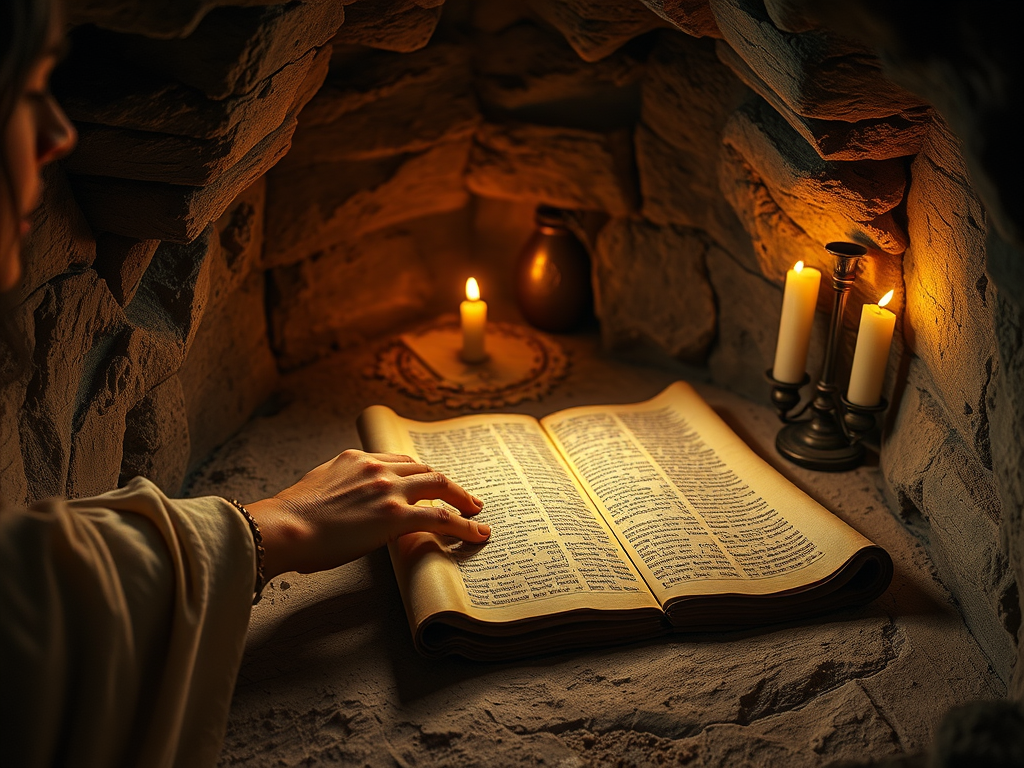
The Dead Sea Scrolls, unearthed near Qumran in the mid-20th century, include over 800 texts dating from around 250 BCE to 100 CE. These scrolls contain early versions of Hebrew scriptures, apocalyptic visions, and sectarian rules from a Jewish community likely tied to the Essenes. They reveal a Judaism in flux—diverse, mystical, and far from monolithic.
Meanwhile, the Gnostic Gospels, found in Nag Hammadi, Egypt in 1945, offer a radically different take on early Christianity. Texts like the Gospel of Thomas, Gospel of Philip, and Apocryphon of John emphasize inner knowledge (gnosis) over external authority. Jesus, in these writings, is more of a wisdom teacher than a sacrificial savior. Some scholars believe these texts preserve traditions as old—or older—than the canonical Gospels.
What unites these discoveries is their challenge to orthodoxy. They remind us that the early religious landscape was vibrant and contested. The Bible as we know it is not the only lens through which ancient faith was understood. These variant accounts invite us to ask: What was lost when the canon was closed—and what might we rediscover if we dare to look beyond it?
Why have so many religions been spawned off of these scrolls and Christianity? Why have wars been started in the name of GOD when according to Christianity God does not like war! Most importantly why have the stories in our bible today been cherry picked and molded to seem to fit Christianity religion and more specifically the canonical teachings.
 The Blogging Truth
Leave a comment